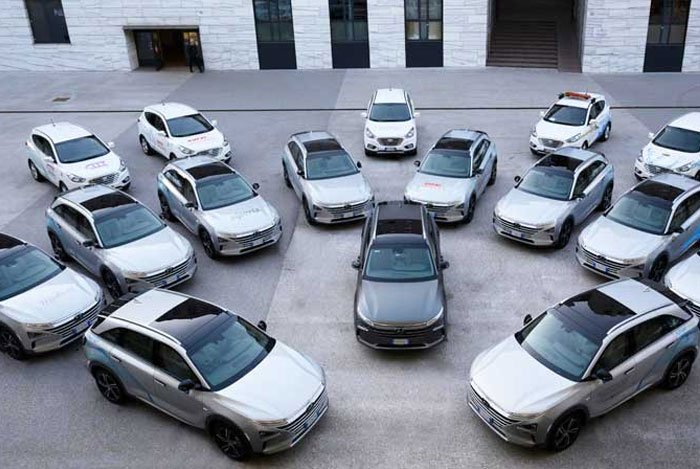
Getting around a city used to be fairly straightforward. You either owned a vehicle, depended on public transport, or booked a taxi whenever you needed one. These days, though, the choices have become much more flexible. Renting a vehicle for a few hours, a weekend, or even several weeks has quietly become part of everyday urban life.
And it makes sense. Owning a vehicle isn’t always convenient, especially when you add up insurance, maintenance, parking fees, fuel, servicing, and the occasional repair bill that arrives at exactly the wrong time. For someone who only needs personal transport occasionally, renting can feel like the simpler option.
Renting Is No Longer Just a Travel Thing
There was a time when vehicle rentals were mostly associated with airports, vacations, and business trips. You’d land somewhere, walk over to a rental counter, fill out paperwork, and drive away.
That picture has changed quite a bit.
Today, people rent vehicles for ordinary reasons too. Someone may need a car for a family function. Another person might want one for an outstation trip. A freelancer could rent a two-wheeler for a month instead of buying one immediately after moving to a new city.
The growing availability of cars for rent has made this particularly useful for people who want the comfort and privacy of a personal vehicle without taking on the long-term responsibility of ownership. You use the car when you actually need it and return it afterward. Simple enough.
The Real Cost of Ownership Is Easy to Underestimate
Buying a vehicle is rarely just about the price printed on the brochure.
There are registration charges, insurance renewals, servicing, tyres, repairs and depreciation. Then comes parking, which can be surprisingly expensive or simply difficult to find in crowded neighborhoods. A vehicle sitting unused outside your home is still costing you money.
Renting changes that equation because you’re paying primarily for access.
Of course, rental prices aren’t automatically cheap. During holidays, weekends, festivals, or periods of heavy demand, rates can rise. Longer journeys may also come with kilometer limits or additional charges. That’s why comparing the complete cost—not merely the attractive daily rate displayed upfront—is worth the extra few minutes.
Why Two-Wheelers Make Sense in Busy Cities
Anyone who has spent an hour crawling through city traffic knows that a large vehicle isn’t always an advantage. Sometimes a compact two-wheeler is simply easier.
This is particularly noticeable in cities with busy commercial areas, college neighborhoods, IT corridors and narrow internal roads. Pune is a good example. Students, working professionals, tourists, and people staying temporarily in the city may not necessarily want to purchase a scooter or motorcycle.
For someone searching for a bike on rent in pune, convenience is usually a big part of the decision. A bike can make short daily commutes quicker, parking is generally easier, and fuel expenses may remain manageable. It also gives you considerably more independence than planning every journey around cab availability.
Still, convenience shouldn’t replace basic caution. Check the brakes, tyres, lights, indicators, mirrors and fuel level before accepting a rental bike. Take a few photos as well. It takes perhaps two minutes and can prevent an unnecessary disagreement about existing scratches later.
Read the Rental Terms Before Paying
This sounds obvious, yet it’s probably where many unpleasant rental experiences begin.
A low advertised price doesn’t always represent the final amount you’ll pay. There could be security deposits, taxes, late-return penalties, kilometer restrictions, fuel policies, cleaning charges or fees for crossing certain geographic limits.
Insurance deserves attention too.
Before driving away, understand what happens if the vehicle is damaged. Find out whether insurance is included, what the deductible is, and what situations aren’t covered. Don’t assume that “insured vehicle” means you have zero financial responsibility.
It isn’t the exciting part of renting, admittedly, but five minutes spent reading the terms can save a lot of frustration later.
Choosing Between a Car and a Bike
There’s no universal winner here.
A car usually makes more sense for families, longer highway journeys, airport transfers, trips involving luggage, or days when the weather isn’t particularly friendly. Air conditioning and additional space matter after a few hours on the road.
A bike or scooter, meanwhile, can be ideal for solo commuting and shorter urban journeys. It’s easier to maneuver through congested streets and often cheaper to operate.
Think about the actual journey rather than automatically choosing whichever vehicle you normally prefer.
Going 250 kilometers with your family? Take the car.
Traveling five kilometers to an office through dense weekday traffic? A scooter might be far less troublesome.
A Few Checks Can Prevent a Bad Experience
Before booking, look beyond price. Recent customer reviews can reveal recurring problems such as poorly maintained vehicles, delayed deposit refunds, hidden fees, or unresponsive customer service.
When collecting the vehicle, inspect it properly. Record visible dents or scratches and make sure they’re acknowledged by the rental provider. Confirm the return time and location, and keep booking receipts or payment confirmations until the rental is completely closed.
For longer trips, it’s also sensible to ask about roadside assistance. Hopefully you’ll never need it, but discovering that support doesn’t exist while standing beside a stalled vehicle isn’t exactly ideal.
Mobility Is Becoming More About Access
The interesting thing about modern transportation is that ownership isn’t automatically the end goal anymore. People increasingly want access to the right vehicle at the right moment.
A compact car this weekend. A scooter for three weeks. Nothing at all next month.
That flexibility suits the way many people actually live, particularly students, professionals who relocate frequently, occasional travelers and households that don’t drive every day.
Vehicle rentals aren’t going to replace ownership for everyone, nor should they. But they offer something valuable that traditional ownership sometimes can’t: choice without a long commitment.
And in crowded, fast-moving cities, having that choice can make getting from one place to another noticeably easier.