Some of my best meals have cost less than two dollars and come from a cart with no name, run by someone who’s been making the exact same dish for thirty years. This street food guide isn’t about fancy restaurants — it’s about the food that actually defines a place, served from carts, stalls, and plastic stools on the sidewalk.
Is Street Food Safe to Eat While Traveling?
Direct answer: Generally yes, if you follow a few basic rules — choose stalls with high customer turnover (food isn’t sitting around), watch food being cooked fresh in front of you, and avoid pre-cut fruit or anything that’s been sitting at room temperature for an extended period.
Bangkok, Thailand: Pad Thai and Beyond
Everyone knows pad thai, but the real street food scene in Bangkok goes much deeper. Try boat noodles (kuay teow reua) from a stall specializing in nothing else, or moo ping (grilled pork skewers) from a vendor with a line of locals waiting.
Mexico City, Mexico: Tacos al Pastor
Watching a taquero shave meat off a vertical spit, straight onto a tiny corn tortilla with a slice of pineapple on top — this is genuinely one of the best street food experiences anywhere. Look for stalls with the trompo (the spit) actually spinning, a sign of freshness and popularity.
Mumbai, India: Vada Pav and Pani Puri
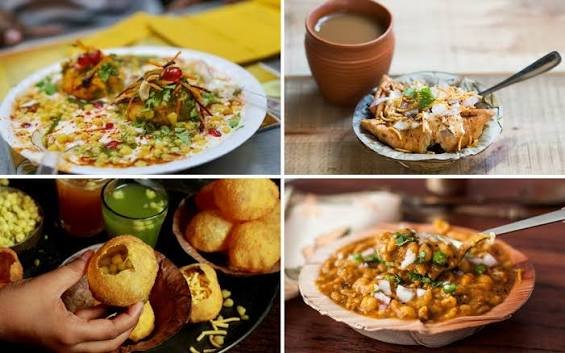
Mumbai’s street food scene runs at a different pace entirely — fast, loud, and absolutely delicious. Vada pav (a spiced potato fritter in a bun) costs next to nothing and fills you up completely. Pani puri, eaten in quick succession from a vendor who hands you one at a time, is as much performance as food.
- Vada pav: roughly ₹15-25 per piece
- Pani puri: usually ₹20-30 for a full plate
- Best areas: Juhu Beach and Mohammed Ali Road for evening street food crawls
Hanoi, Vietnam: Bun Cha and Egg Coffee
Bun cha — grilled pork over rice noodles with a tangy dipping broth — became internationally famous after a certain former US president ate it here. Beyond that, Hanoi’s egg coffee (cà phê trứng) deserves its own reputation — a whipped egg yolk foam over strong coffee, richer and sweeter than it sounds.
Istanbul, Turkey: Simit and Balik Ekmek
Simit, a sesame-crusted bread ring sold from carts everywhere in the city, makes a perfect cheap breakfast. Down by the Bosphorus, balik ekmek (grilled fish sandwiches, sold literally from boats) offers something you won’t find replicated well anywhere else.
How to Choose Safe Street Food Vendors
- Pick stalls with a visible queue of locals, not just tourists
- Watch the cooking process directly rather than ordering food that’s already prepared and sitting
- Carry hand sanitizer; handwashing facilities are often limited at street stalls
- Start with cooked, hot food before working up to raw preparations if your stomach is sensitive to new environments
Direct answer: The safest general approach to street food is choosing vendors where food is cooked fresh in front of you and has high customer turnover, since both factors significantly reduce the risk of foodborne illness compared to food that’s been sitting out.
Building a Street Food Itinerary
Rather than randomly wandering, research 3-4 specific dishes ahead of time for each city and seek out vendors known specifically for that item — a place famous for one dish for decades usually beats a generalist stall trying to do everything.
[link to related guide: Food Etiquette Rules Every Traveler Should Know here]
Alt text suggestions: “Tacos al pastor street vendor Mexico City,” “Vada pav street food stall Mumbai India,” “Bun cha noodles Hanoi Vietnam street food”
FAQ
How do I know if street food is safe to eat? Look for high customer turnover, food cooked fresh in front of you, and avoid anything sitting at room temperature for a long period.
What’s the best city in the world for street food? Bangkok, Mumbai, and Mexico City are consistently ranked among the top street food cities globally, each with distinct and deeply rooted culinary traditions.
Should I avoid street food entirely if I have a sensitive stomach? Not necessarily — start with well-cooked, hot dishes from busy stalls, and gradually build tolerance rather than avoiding street food altogether.
Is it rude to bargain at street food stalls? Usually no in most countries, prices are typically fixed and low enough that bargaining isn’t expected or necessary for food specifically.
What should I drink with street food to stay safe? Bottled or purified water, and avoid ice unless you’re confident it’s made from filtered water, especially in destinations where tap water isn’t safe to drink.
Conclusion
This street food guide only scratches the surface — every city has its own hidden specialties beyond the famous dishes. The real trick is just being willing to eat where the locals eat, even when there’s no menu in English and the setup looks nothing like a proper restaurant. That’s usually exactly where the best meal of your trip is waiting.