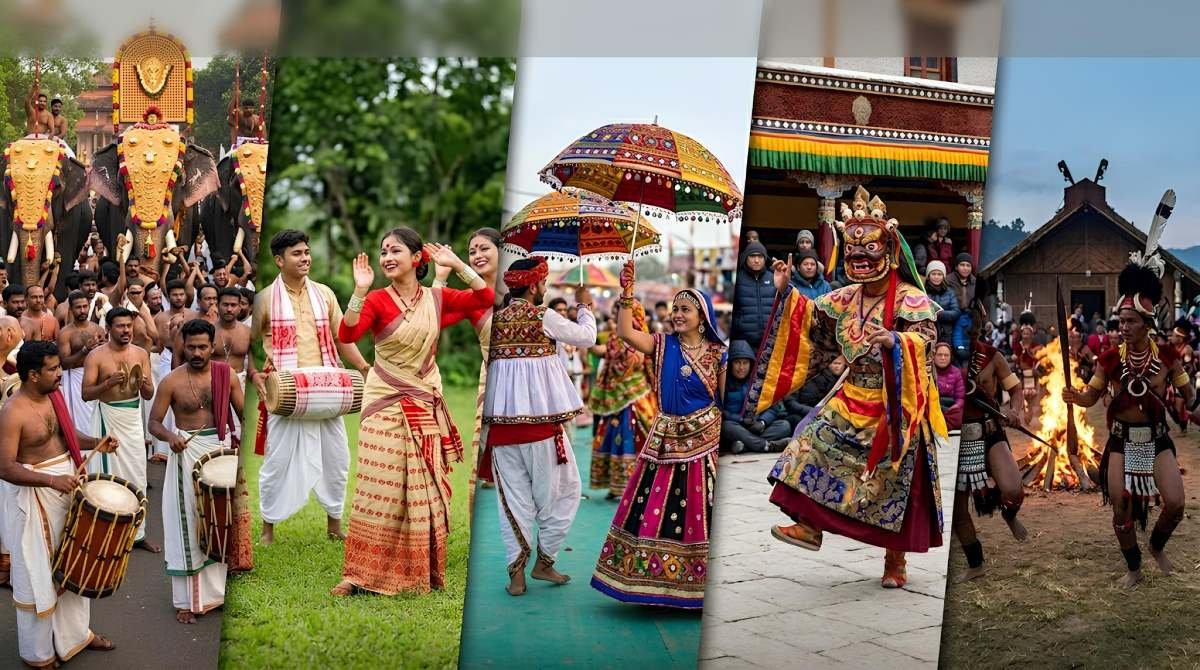
I planned an entire trip to India around a single festival once, and it remains one of the best travel decisions I’ve made. There’s something about experiencing a place mid-celebration — colors, music, strangers pulling you into the chaos — that a regular sightseeing trip just can’t replicate. These local festivals are worth building an itinerary around, not just stumbling into by accident.
Why Time Your Trip Around a Festival?
Direct answer: Timing a trip around a local festival gives you access to cultural traditions, food, and community energy that simply doesn’t exist outside that specific window — often transforming an ordinary city visit into a far more immersive, memorable experience, though it also usually means higher accommodation prices and larger crowds.
Holi, India
The festival of colors, usually falling in March, turns entire cities into chaotic, joyful color fights. Mathura and Vrindavan, considered the spiritual birthplace of the celebration, offer the most intense and traditional version, though honestly any Indian city delivers a memorable Holi experience.
Songkran, Thailand
Thai New Year in mid-April essentially becomes a nationwide water fight lasting several days. Chiang Mai in particular takes this seriously — expect to be soaked within minutes of stepping outside, and just embrace it rather than fighting it.
Day of the Dead, Mexico
Held around November 1-2, this isn’t a somber occasion despite the name — it’s a vibrant celebration of deceased loved ones, with elaborate altars, marigold-covered cemeteries, and face paint that’s become globally iconic. Oaxaca and Mexico City both offer particularly rich celebrations.
Diwali, India
The festival of lights, usually falling in October or November, transforms cities with oil lamps, fireworks, and elaborate home decorations. Jaipur and Varanasi both offer particularly beautiful settings for experiencing Diwali as a visitor.
Rio Carnival, Brazil
The scale here is genuinely hard to overstate — samba schools, elaborate costumes, and parades that take months of preparation. It happens in February or March depending on the year’s calendar, and booking accommodation 6+ months ahead is essential.
La Tomatina, Spain
A one-hour tomato fight in the small town of Buñol, held on the last Wednesday of August. It sounds chaotic (it is), but there’s an oddly wholesome community spirit underneath all that tomato pulp.
Practical Tips for Attending Festivals Abroad
- Book accommodation 4-6 months in advance for major festivals; prices spike and availability shrinks fast
- Protect electronics if the festival involves water, color powder, or messy elements
- Respect the cultural or religious significance behind celebrations rather than treating everything as pure spectacle
- Stay hydrated and pace yourself — festival days often involve far more walking and standing than a typical sightseeing day
Direct answer: For major festivals like Rio Carnival or Diwali, booking flights and accommodation at least 4-6 months in advance is strongly recommended, since prices can double or triple closer to the dates and availability disappears quickly.
Lesser-Known Festivals Worth Seeking Out
Beyond the famous names, smaller regional festivals — a harvest celebration in rural Vietnam, a local saint’s day procession in a small Italian town — often offer a more genuine, less commercialized experience than the globally famous events.
[link to related guide: Street Food Guide here]
Alt text suggestions: “Holi festival colors crowd India celebration,” “Day of the Dead altar marigolds Mexico,” “Rio Carnival parade costumes Brazil”
FAQ
Is it safe for tourists to attend festivals like Holi or Songkran? Generally yes, these are welcoming to visitors, though it’s wise to protect valuables and expect to get genuinely messy or soaked during the celebration.
How far in advance should I book a trip around a major festival? For large-scale festivals like Rio Carnival or Diwali in popular cities, 4-6 months ahead is recommended due to price surges and limited availability.
What should I wear to a color festival like Holi? Old clothes you don’t mind ruining, since color powder and water stain fabric permanently in most cases.
Are local festivals expensive to attend as a tourist? The festivals themselves are often free or low-cost to experience, but accommodation and flights typically become significantly more expensive during festival periods.
Can I photograph local festivals freely as a visitor? Generally yes in public celebration spaces, but always ask before photographing religious rituals or private ceremonies specifically, out of respect.
Conclusion
Building a trip around local festivals takes more planning than a standard vacation, but the payoff is a version of a destination you simply can’t access any other time of year. Pick one from this list that genuinely excites you, book early, and go in ready to actually participate rather than just observe from the sidelines.