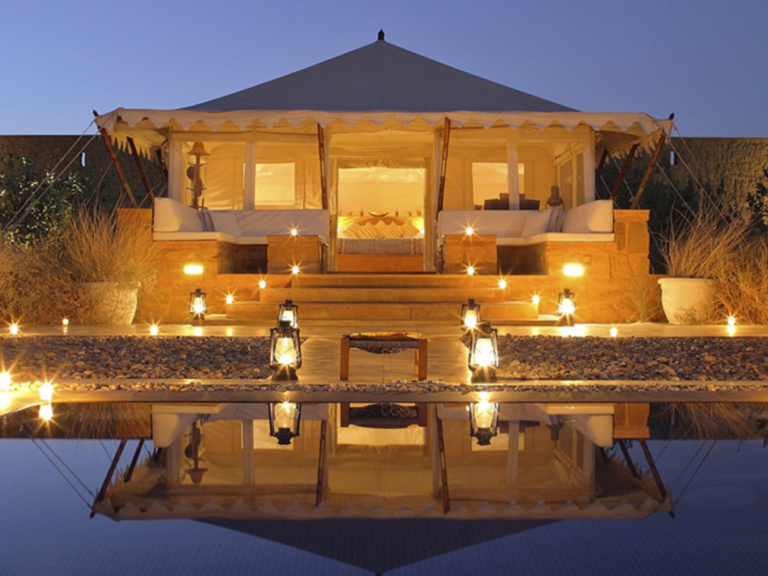
I used to roll my eyes a bit at “eco-friendly” hotel marketing — reusing towels for a day hardly saves the planet. But after actually staying at a handful of properties doing this seriously, I’ve come around. Real eco-friendly hotels around the world go far beyond towel cards, and honestly, some of them are among the best stays I’ve had, sustainability aside.
What Actually Makes a Hotel Eco-Friendly?
Direct answer: A genuinely eco-friendly hotel typically has third-party certification (like LEED, Green Key, or EarthCheck), sources a significant portion of energy from renewables, minimizes single-use plastics, and sources food locally rather than importing everything — not just optional towel reuse programs.
If a hotel’s “green” claims stop at a laminated card in the bathroom, that’s usually a red flag for greenwashing rather than real practice.
Six Senses Properties (Global)
Six Senses has built its entire brand around sustainability, with properties from Portugal to Bhutan running on serious environmental commitments — on-site water bottling to cut plastic waste, extensive solar power, and genuine community employment programs in each location.
Soneva Fushi, Maldives
Overwater villas that also happen to run largely on solar power, with an on-site glass recycling center turning waste bottles into new glassware used throughout the resort. Not cheap by any means, but genuinely one of the more thoughtfully run luxury properties I’ve read into.
Whitepod, Switzerland
Geodesic dome “pods” in the Swiss Alps, heated by wood-burning stoves rather than centralized systems, with minimal land disturbance from construction. It’s a strange, wonderful hybrid of camping and comfort.
Bardessono, California
A LEED Platinum-certified hotel in Napa Valley — solar panels cover the entire roof, geothermal heating and cooling runs the building, and the on-site restaurant sources almost everything from within a 60-mile radius.
Practical Eco Features to Look For When Booking
- Look for third-party certifications rather than self-declared “eco” labels
- Check if the property has a refill station instead of single-use toiletry bottles
- Ask (or check reviews) about staff being local hires — genuine community benefit matters as much as environmental practice
- Solar or geothermal energy usage, disclosed clearly rather than vaguely mentioned
Direct answer: The most reliable way to verify a hotel’s eco-friendly claims is checking for recognized certifications such as Green Key, LEED, or EarthCheck, since these require independent audits rather than relying on marketing language alone.
Budget-Friendly Eco Hotels Exist Too
Sustainability isn’t only a luxury-price-tag thing. Hostels and mid-range properties increasingly run on solar, especially in places like Costa Rica and parts of Southeast Asia where solar infrastructure has become genuinely affordable to install.
Are Eco-Friendly Hotels More Expensive?
Not necessarily. Some, particularly ultra-luxury eco resorts, absolutely command premium prices. But mid-range eco properties often cost the same as conventional hotels — the sustainability comes from operational choices, not a markup passed to guests.
[link to related guide: How to Find Cheap Luxury Hotel Deals Using Points here]
Alt text suggestions: “Solar panels on eco resort roof Maldives,” “Geodesic dome eco hotel Swiss Alps,” “Refill toiletry station sustainable hotel bathroom”
FAQ
How can I tell if a hotel is genuinely eco-friendly or just greenwashing? Look for recognized third-party certifications like Green Key, LEED, or EarthCheck — these require actual audits, unlike self-declared “eco” branding.
Are eco-friendly hotels more expensive than regular hotels? Not always. Luxury eco resorts can carry premium prices, but many mid-range eco-certified hotels cost the same as conventional options.
What certifications should I look for when booking an eco hotel? LEED, Green Key, EarthCheck, and Green Globe are among the most respected and independently verified certifications in the hospitality industry.
Do eco-friendly hotels compromise on comfort or luxury? No, properties like Six Senses and Soneva Fushi prove sustainable practices and high-end comfort can coexist without trade-offs.
Which destinations have the most eco-friendly hotel options? Costa Rica, the Maldives, Bhutan, and parts of Scandinavia lead globally in eco-certified hospitality infrastructure.
Conclusion
Choosing among eco-friendly hotels around the world used to feel like a compromise on comfort. It really isn’t anymore. From alpine pods in Switzerland to overwater villas in the Maldives, sustainable hospitality has caught up to — and in some cases surpassed — conventional luxury. Next time you’re booking, spend the extra two minutes checking for real certification. It’s a small habit that adds up.