I bowed to a vending machine once. My friend still brings it up. That’s the kind of thing that happens when you land in Japan without any prep — the culture runs on unspoken rules that nobody explains until you’ve already broken one. This first-time visitor’s guide to Japan exists so you don’t have to learn everything the embarrassing way, like I did.
Do You Need a Visa for Japan?
Direct answer: Most travelers from the US, UK, EU, Canada, and Australia can enter Japan visa-free for stays up to 90 days for tourism. Always check current requirements though, since these rules do shift.
Getting Around: The JR Pass Question
The Japan Rail Pass used to be an automatic yes for tourists, but prices increased substantially in late 2023, and now it’s only worth it if you’re covering serious distance.
- If you’re only doing Tokyo and one nearby city, skip the JR Pass — buy individual tickets
- If you’re doing Tokyo, Kyoto, Osaka, and Hiroshima in one trip, the pass usually pays for itself
- IC cards (Suica or Pasmo) work for local trains, buses, and even convenience store purchases — get one immediately at the airport
Cash Still Matters in Japan
This surprises a lot of first-timers. Despite the tech reputation, Japan remains fairly cash-heavy, especially outside major cities. Small restaurants, temples, and rural shops often don’t take cards at all. Keep at least ¥10,000-15,000 on hand at all times.
Etiquette Basics Nobody Tells You
Direct answer: Key Japanese etiquette basics include not tipping (it can actually cause confusion or offense), not eating while walking, removing shoes indoors when signaled, and keeping phone calls off public transport. Getting these small things right goes a long way with locals.
A few more that caught me off guard:
- Don’t stick chopsticks upright in rice — it resembles a funeral ritual
- Slurping noodles is totally fine, even encouraged, as a sign you’re enjoying the meal
- Trains have quiet zones essentially everywhere — even a phone call in the “wrong” car draws stares
Where to Stay: Neighborhoods for First-Timers
Shinjuku is convenient for transport but loud at night. Asakusa gives more traditional atmosphere near temples. If it’s your first Japan trip, I’d lean Shinjuku or Shibuya for ease of getting everywhere, even if it’s a bit less charming.
Food: Beyond Sushi
Sushi gets all the hype, but honestly, some of my best meals in Japan were ¥800 bowls of ramen from tiny hole-in-the-wall spots with ticket vending machines instead of menus. Don’t be intimidated by these — point at the picture, insert cash, hand over the ticket.
Language Barrier: How Big a Problem Is It?
Smaller than most people expect in major cities. Signage in Tokyo, Kyoto, and Osaka is heavily bilingual now. Google Translate’s camera function handles menus fine. Rural areas are trickier, but a translation app closes most gaps.
Seasonal Timing for First-Time Visitors
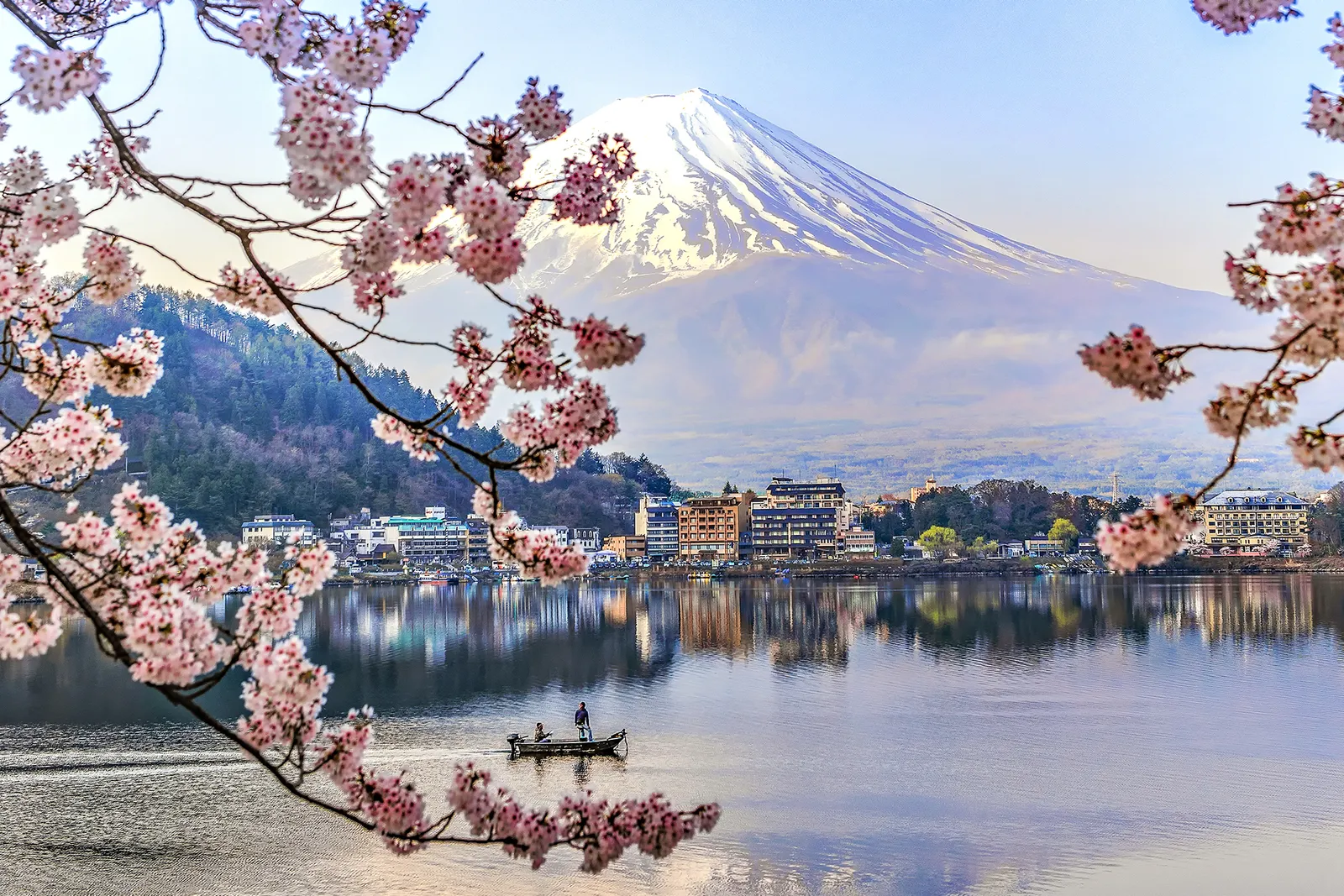
Spring (late March-early April) means cherry blossoms but also peak crowds and prices. Autumn (November) offers similarly gorgeous scenery — red maple leaves — with noticeably fewer tourists. Summer runs hot and humid; winter is cold but ski season opens up northern Japan.
[link to related guide: Best Time to Visit Bali here]
Alt text suggestions: “Cherry blossoms in Tokyo spring travel Japan,” “Traditional ramen shop ticket machine Japan,” “Shibuya crossing at night Tokyo Japan”
FAQ
Is Japan expensive for first-time visitors? It can be, but budget options exist widely — convenience store meals, business hotels, and local trains keep costs manageable if you’re not chasing luxury.
How many days do I need for a first Japan trip? 10-14 days lets you comfortably cover Tokyo, Kyoto, Osaka, and one extra stop like Hiroshima or Nara without rushing.
Do I need to speak Japanese to travel there? No, basic English gets you through most tourist situations in major cities, and translation apps handle the rest.
Is it rude to tip in Japan? Yes, generally. Tipping isn’t customary and can confuse or embarrass staff — good service is simply expected as standard.
What should I avoid doing in Japan as a tourist? Avoid loud phone calls on trains, eating while walking in crowded areas, and pointing chopsticks at people — small things, but locals notice.
Conclusion
This first-time visitor’s guide to Japan really boils down to respecting the small rules and not overplanning every minute. Japan rewards curiosity — wander into a side street ramen shop, get slightly lost in Kyoto’s backstreets, figure the trains out as you go. You’ll make a few small mistakes regardless (I certainly did), and that’s honestly part of the fun.