Nothing prepares you for the sound of a lion roaring somewhere just beyond your tent at 3 AM. It’s terrifying and thrilling in equal measure, and it’s the kind of moment that makes wildlife safaris in Africa genuinely unlike any other kind of travel. If you’re planning your first one, here’s what actually matters when choosing where and how to go.
Which African Country Should You Choose for a Safari?
Direct answer: Kenya and Tanzania offer the classic Great Migration experience with dense wildlife concentrations; South Africa provides the most budget-flexible and self-drive-friendly safari infrastructure; Botswana delivers a more exclusive, lower-density wildlife experience at a higher price point.
Kenya: The Masai Mara
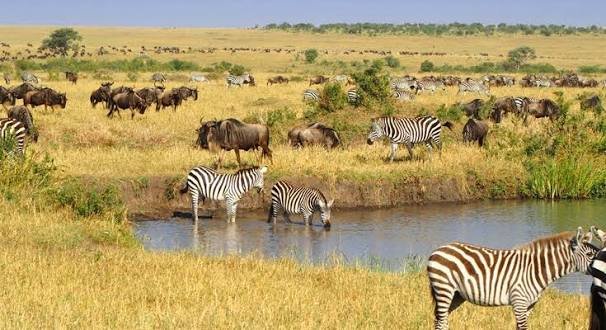
Home to the Great Migration for part of the year (roughly July-October, when wildebeest cross the Mara River), the Masai Mara delivers some of the highest wildlife density anywhere in Africa. Budget safaris here start around $150-200/day, while luxury tented camps can run well over $800/day.
Tanzania: Serengeti and Ngorongoro Crater
The Serengeti is essentially Kenya’s Masai Mara continued across the border, and the migration moves between the two depending on season. Ngorongoro Crater, meanwhile, is a self-contained ecosystem in an ancient volcanic caldera — genuinely one of the most concentrated wildlife-viewing areas on the planet.
South Africa: Kruger National Park
Direct answer: Kruger National Park stands out among African safari destinations because it allows self-drive safaris, making it significantly cheaper than guided-only parks elsewhere — a self-drive trip can cost as little as $50-80/day including basic accommodation.
- Malaria risk is lower in southern Kruger than northern sections
- Well-maintained roads make self-driving genuinely manageable, even for first-timers
- Private reserves bordering Kruger (like Sabi Sands) offer more luxury, guided options if preferred
Botswana: Okavango Delta
Higher-end and lower-volume by design — Botswana limits visitor numbers deliberately to protect the ecosystem. Expect $500-1,500+ per day, but also expect far fewer other vehicles at any given sighting.
Best Time to Go on Safari
- June-October (dry season) across most of East and Southern Africa: animals cluster around limited water sources, making sightings easier
- Wet season (November-May) brings lush scenery and newborn animals, but denser vegetation can make spotting harder
- Migration timing specifically: July-October in Kenya, December-March calving season in southern Serengeti
Budget vs. Luxury Safari: What’s the Real Difference?
Budget safaris typically mean shared group vehicles, basic tented camps, and set park routes. Luxury safaris add private vehicles, guided walking safaris, and premium lodges — often with significantly better guide expertise, which genuinely affects sighting quality.
Health and Safety Preparation
Malaria prophylaxis is recommended for most safari regions; check current requirements based on your specific route and season. Yellow fever vaccination is mandatory for entry into some countries if you’re arriving from another affected region.
[link to related guide: Top Scuba Diving Destinations for First-Timers here]
Alt text suggestions: “Lions resting in Masai Mara savanna Kenya,” “Elephants at watering hole Kruger National Park,” “Safari jeep with tourists Serengeti Tanzania”
FAQ
What is the best country in Africa for a first safari? Kenya and Tanzania are often recommended for first-timers due to high wildlife density and well-established tourist infrastructure.
How much does a safari in Africa typically cost? Budget safaris can start around $150/day in East Africa or as low as $50-80/day self-driving in South Africa, while luxury options often exceed $500-1,000+ per day.
When is the best time to see the Great Migration? Roughly July-October for the Mara River crossings in Kenya, and December-March for the calving season in southern Serengeti, Tanzania.
Is it safe to self-drive a safari in Africa? Yes, particularly in South Africa’s Kruger National Park, which is specifically designed with well-maintained roads for self-drive visitors.
Do I need vaccinations before going on an African safari? Often yes — check specific requirements for your route, as yellow fever vaccination and malaria prophylaxis are commonly recommended or required depending on the country.
Conclusion
Whichever route you choose for your wildlife safaris in Africa trip, go in with realistic expectations about timing and budget, and you’ll come away with sightings you’ll be describing to people for years. Kenya and Tanzania for classic migration drama, South Africa for budget flexibility, Botswana for exclusivity — pick based on what matters most to you, and start planning around the dry season if wildlife density is your priority.