

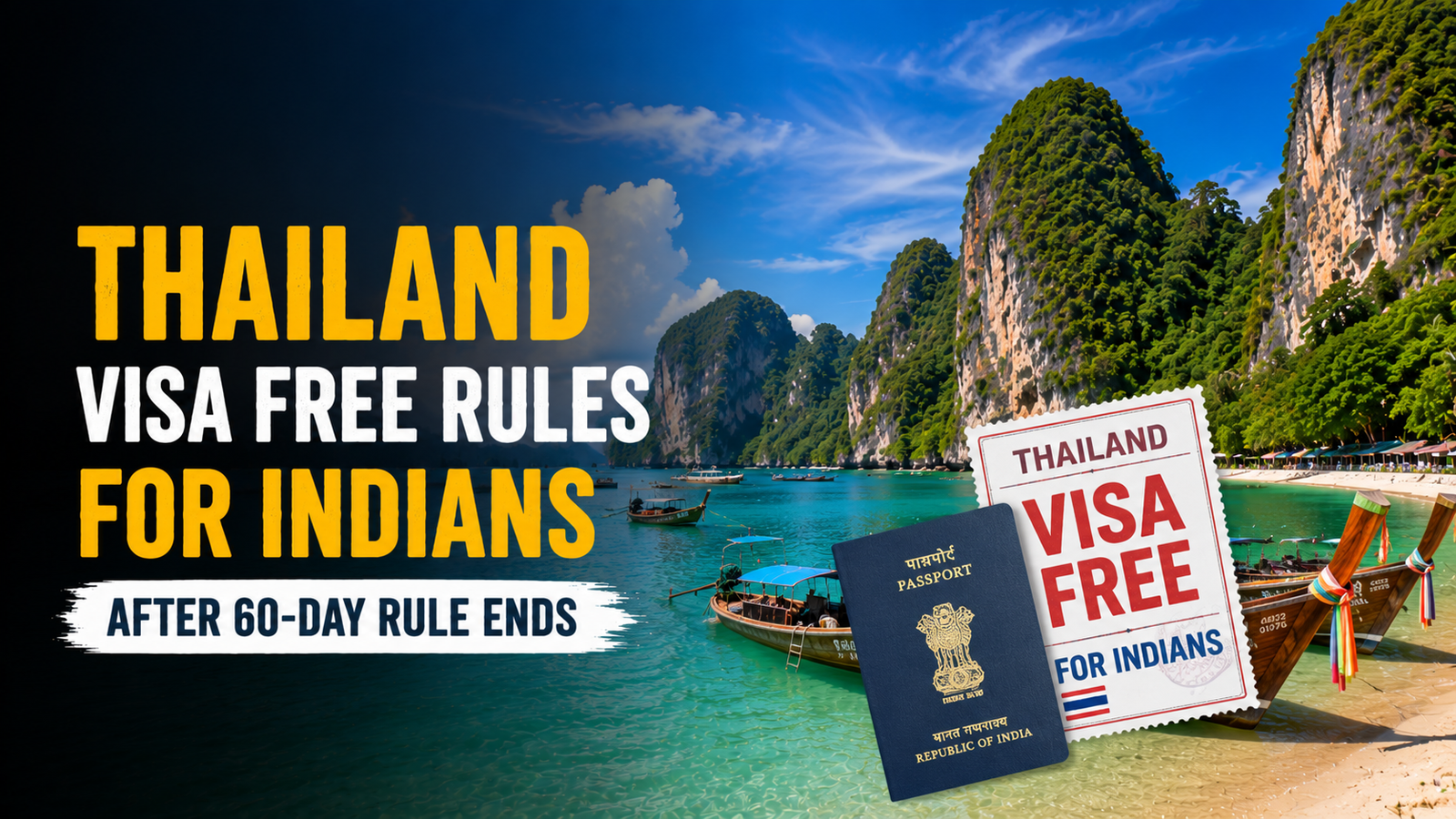
Visa policy is one of those things that changes quietly and then suddenly matters a lot when you’re at check-in with the wrong paperwork. The visa-free travel rules landscape shifts constantly, and 2026 has brought a fair number of updates worth knowing before you book your next international trip.
Why Do Visa-Free Travel Rules Keep Changing?
Direct answer: Visa-free travel rules change based on bilateral diplomatic agreements, tourism economic strategy, security concerns, and reciprocity arrangements between countries — a nation might grant visa-free entry to boost tourism revenue, then later tighten it due to overstays or shifting political relationships.
Key Regional Trends to Watch in 2026
Several regions have moved toward loosening entry requirements specifically to boost post-pandemic tourism recovery, though this trend isn’t universal — some countries have tightened rules in response to overtourism concerns or visa overstay problems.
- Southeast Asia has generally expanded visa-free windows for many nationalities to encourage longer stays
- The EU’s Entry/Exit System (EES) and ETIAS authorization continue rolling out, adding a pre-travel authorization step even for visa-exempt travelers
- Several Gulf countries have introduced streamlined e-visa systems, reducing what used to require in-person embassy visits
Understanding ETIAS and Similar Pre-Authorization Systems
Direct answer: ETIAS (European Travel Information and Authorisation System) is not a visa, but a pre-travel screening requirement for visa-exempt travelers entering the Schengen Area — it involves a short online application and small fee, valid for multiple entries over a set period, similar in concept to the US ESTA system.
This is a good example of how “visa-free” doesn’t necessarily mean “no paperwork required” anymore — pre-authorization systems are becoming more common globally, not less.
Countries That Have Recently Adjusted Visa-Free Access
- Some countries have extended visa-free stay durations from 30 to 60 or even 90 days for select nationalities to encourage longer, higher-spending visits
- Others have introduced reciprocal visa requirements in response to a partner country tightening its own rules first
- E-visa systems have replaced traditional visa-on-arrival processes in several destinations, requiring pre-approval before departure rather than at the airport
How to Check Current Visa Requirements Before Booking
Never rely on outdated blog posts or forum comments for this — always check the destination country’s official immigration or foreign affairs website directly before finalizing bookings, since requirements can change with little advance public notice.
Tourist Taxes and Entry Fees Alongside Visa Changes
Separate from visa policy, but often bundled into news about entry rules, several destinations have introduced or increased tourist taxes and environmental fees as part of broader visitor management strategies — worth budgeting for even in visa-free destinations.
What Travelers Should Do Before Their Next Trip
Direct answer: Before booking international travel, check your destination’s current visa and entry authorization requirements at least 4-8 weeks in advance, since some pre-authorization systems (like ETIAS) require processing time and occasional additional documentation review.
Digital Nomad Visas: A Growing Trend
Separate from tourist visa-free policy, an increasing number of countries have introduced dedicated digital nomad visas, allowing remote workers to stay for extended periods (often 6-12 months) without falling into standard tourist visa limits — worth researching if you’re considering longer-term travel.
[link to related guide: Countries Introducing Tourist Taxes here]
Alt text suggestions: “Passport stamps from multiple countries travel,” “Airport immigration checkpoint sign entry requirements,” “Traveler checking visa requirements on laptop”
FAQ
What is ETIAS and do I need it if I’m visa-exempt for Europe? ETIAS is a pre-travel authorization for visa-exempt travelers entering the Schengen Area — it’s not a visa, but a required online screening step with a small fee before departure.
How can I check if I need a visa for a specific country? Always check the destination country’s official government immigration website directly, rather than relying on third-party sites or outdated articles, since requirements change frequently.
Are visa-free travel rules the same for every nationality? No, visa-free access is determined by bilateral agreements, so requirements vary significantly depending on your passport’s nationality, even for the same destination country.
Do digital nomad visas count as visa-free travel? No, digital nomad visas are a separate visa category specifically designed for remote workers, typically requiring an application process distinct from standard tourist visa-free entry.
Why do some countries suddenly require a visa when they didn’t before? This often happens due to changes in diplomatic relationships, visa overstay concerns, or reciprocal policy shifts when a partner country changes its own visa rules first.
Conclusion
Staying on top of visa-free travel rules has become slightly more complicated with the rise of pre-authorization systems like ETIAS, even as many countries simultaneously loosen traditional visa requirements. The safest habit going forward is checking official sources 4-8 weeks before any international trip, rather than assuming last year’s rules still apply this year.