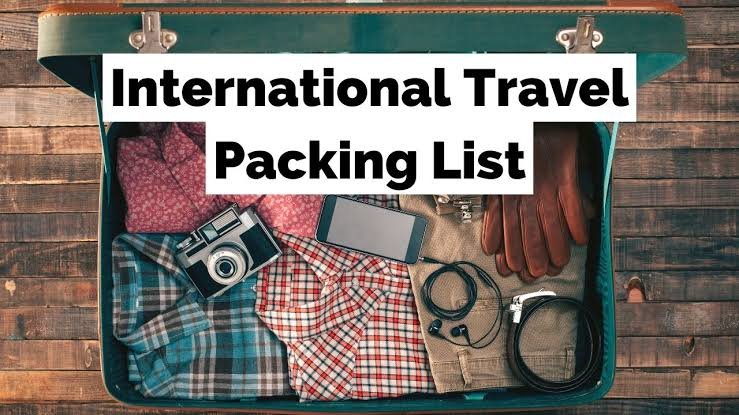
I once left my passport’s photocopy at home and spent an entire afternoon at an embassy trying to explain myself in broken sign language. Lesson learned, the hard way. This packing checklist for international travel exists so you don’t repeat my mistakes — or the opposite one, dragging a suitcase so heavy you throw your back out at baggage claim.
What Should Be on Every International Packing Checklist?
Direct answer: Every international packing checklist should include your passport plus a photocopy, travel insurance documents, a universal power adapter, essential medications in original packaging, and one full change of clothes in your carry-on in case checked luggage gets delayed.
Documents You Cannot Forget
- Passport (check it’s valid for at least 6 months beyond your return date)
- Visa confirmation printouts, even if you have digital copies
- Travel insurance policy number and emergency contact
- A photocopy or photo of your passport stored separately from the original
I keep a photo of my passport as my phone’s lock screen wallpaper temporarily during trips — sounds silly, but it means it’s the one thing I genuinely can’t lose access to.
Electronics Worth Bringing
- Universal power adapter (get one with USB-C and multiple ports, not just a single plug converter)
- Portable power bank, at least 10,000mAh
- Offline map downloads on your phone before you land
- A cheap physical lock for hostel lockers if you’re backpacking
Clothing: Pack Less Than You Think
Direct answer: A good rule for international travel is packing enough clothes for one week regardless of trip length, then planning to do laundry — most destinations have affordable laundry services, making a 21-day suitcase unnecessary even for a month-long trip.
Roll clothes instead of folding; it genuinely saves 20-30% more space and cuts down on wrinkles too.
Toiletries and Health Items
Keep liquids under 100ml for carry-on compliance, obviously, but also bring a small first-aid kit — plasters, pain relief, motion sickness tablets, and any prescription medication in its original labeled packaging (customs can flag unmarked pills).
Money and Payment Backup
Carry at least two payment methods that aren’t linked to the same bank account. I’ve had a card frozen mid-trip due to a “suspicious activity” flag from my bank, and having a backup card saved that entire week.
What to Leave at Home
Jewelry with sentimental or high value, an excessive number of shoes (two pairs usually covers most trips), and full-size toiletries you can easily buy at your destination anyway.
Carry-On Essentials for Long Flights
A neck pillow, noise-cancelling headphones if you have them, a refillable water bottle (empty through security, fill after), and snacks — airport food prices are rarely reasonable.
[link to related guide: How to Avoid Jet Lag on Long-Haul Flights here]
Alt text suggestions: “Organized suitcase packing for international trip,” “Passport and travel documents on table,” “Rolled clothes in packing cubes suitcase”
FAQ
How many clothes should I pack for a 2-week international trip? About 5-7 days’ worth is usually enough, since most destinations offer affordable laundry services for longer trips.
Do I need a physical copy of my passport when traveling internationally? Yes, it’s strongly recommended — keep one physical or digital copy separate from your actual passport in case it’s lost or stolen.
What’s the biggest mistake people make when packing for international travel? Overpacking clothes “just in case,” which adds unnecessary weight and stress at airports, when laundry or local shopping easily solves gaps.
Should I pack medication in my carry-on or checked bag? Always in your carry-on, in original packaging, since checked bags can be delayed or lost.
Is a universal adapter necessary for every country? Yes, unless you’re traveling within the same plug-type region as home — check your destination’s plug type before departure to avoid last-minute airport purchases.
Conclusion
A solid packing checklist for international travel isn’t about bringing everything you might possibly need — it’s about bringing exactly what you’ll actually use and trusting that most other things are available or fixable at your destination. Print this list out, tick things off the night before, and you’ll board that flight with one less thing to stress about.