Everyone talks about Bali. Everyone talks about Bangkok. But if you’ve done the usual Southeast Asia loop already, you know the truth — the “must-see” spots are packed shoulder to shoulder with selfie sticks. So where do you actually go if you want something real? That’s exactly what we’re digging into today: the hidden gems in Southeast Asia that haven’t been ruined by mass tourism yet. Not yet, anyway.
I spent almost three weeks island-hopping through this region last year, and honestly, some of the best memories came from places I’d never even heard of before landing there. Let’s get into it.
What Counts as a Hidden Gem in Southeast Asia?
Quick answer: A hidden gem in Southeast Asia is typically a town, island, or natural site that has strong tourism appeal but low visitor numbers — usually because it lacks direct flight access, English signage, or social media hype. Think fewer than 500 foreign visitors a month, compared to millions in places like Phuket.
It’s not about being “undiscovered” in some mystical sense. It’s about places that just haven’t been packaged into a tour bus itinerary yet.
Koh Rong Sanloem, Cambodia (Not Koh Rong)
Everyone goes to Koh Rong for the party scene. Skip it. Its quieter sister island, Koh Rong Sanloem, has the same turquoise water and white sand, minus the blaring speakers till 4 AM. Saracen Bay is where most people stay, but push a little further to M’Pai Bay on the north side — it’s basically a fishing village with a handful of bungalows.
I paid around $12 a night for a beachfront hut with no electricity after 10 PM. Was it luxurious? No. Did I sleep better than I had in months? Absolutely.
Ha Giang Loop, Vietnam
Everyone’s heard of Ha Long Bay. Fewer people know about Ha Giang, up in the far north near the Chinese border. It’s a four-day motorbike loop through limestone mountains, terraced rice fields, and villages belonging to ethnic minority groups like the Hmong and Dao.
- Rent a semi-automatic bike (100-125cc) — automatics can’t handle the steep passes
- Book a local guide if you’re not confident riding; the roads get sketchy after rain
- Bring cash — there are barely any ATMs once you’re past the first town
Siquijor Island, Philippines
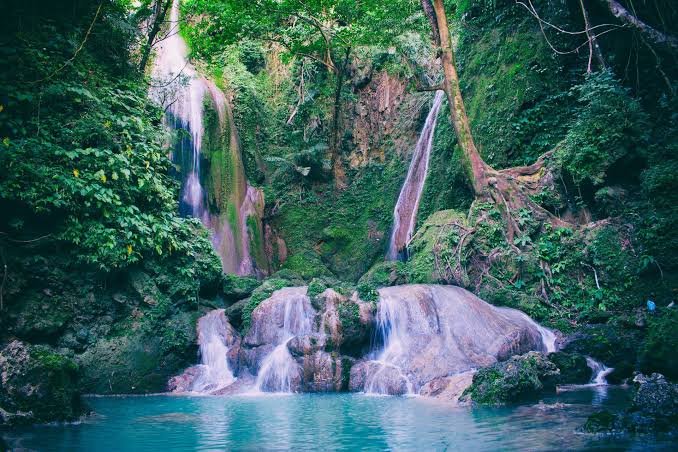
Locals used to call this place the “witch island” because of its folklore around healers and mystics. That reputation actually kept mass tourism away for decades. Now it’s slowly opening up, but you can still find waterfalls with literally nobody else around — Cambugahay Falls on a weekday morning, for example.
Kep, Cambodia
Kep was once the playground of French colonial elites, and there’s something almost eerie about the abandoned villas scattered along the coast. Today it’s mostly known for its crab market. Fresh crab with Kampot pepper sauce, eaten at a plastic table by the water — that’s the whole experience, and it’s enough.
Nusa Penida (Before It Was “Discovered”)
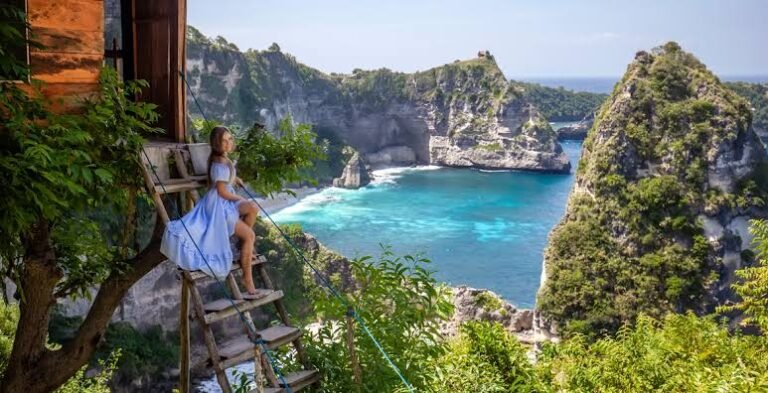
I’ll be honest, Nusa Penida is getting more popular by the month now thanks to Instagram (that Kelingking Beach cliff shot is everywhere). But if you avoid the main viewpoints and rent a scooter to explore the eastern side — Atuh Beach, Diamond Beach’s quieter neighbors — you can still get some peace.
Direct answer: The best time to visit these hidden Southeast Asia destinations is during shoulder season (April–May or September–October), when weather is stable but crowds and prices haven’t peaked yet.
Practical Tips for Visiting Off-the-Beaten-Path Spots
- Download offline maps — Google Maps signal is unreliable in remote areas
- Carry small denomination local currency; card payments basically don’t exist
- Learn 5-10 basic phrases; it genuinely opens doors (and sometimes free food)
- Travel insurance matters more here — medical evacuation from remote islands isn’t cheap
[link to related guide: Best Time to Visit Bali here]
Alt text suggestions: “Empty beach hut on Koh Rong Sanloem island,” “Motorbike on Ha Giang loop mountain road Vietnam,” “Fresh crab market in Kep Cambodia”
FAQ
Is it safe to travel to lesser-known parts of Southeast Asia alone? Generally yes, especially in Vietnam, Cambodia, and the Philippines. Just tell someone your route if you’re heading somewhere very remote, and avoid riding motorbikes at night on unlit roads.
How much should I budget per day for these hidden gem destinations? Around $20-35 a day covers basic accommodation, street food, and local transport. Cambodia and Vietnam tend to run cheaper than the Philippines.
Do I need a visa for these countries? Vietnam requires an e-visa for most nationalities; Cambodia offers visa-on-arrival; the Philippines allows visa-free entry for many countries up to 30 days. Always check current rules before booking.
What’s the biggest mistake travelers make chasing hidden gems? Over-planning. Half the charm of these spots is that they don’t run on a schedule. Leave buffer days.
Will these places stay “hidden” for long? Probably not all of them. Nusa Penida is a good example of how fast things change once a spot goes viral. If a place is on your list, sooner is better than later.
Conclusion
Southeast Asia’s obvious highlights are obvious for a reason — but the real magic, at least for me, was always in the places that took a bit more effort to reach. These hidden gems in Southeast Asia won’t stay quiet forever, so if any of these spots caught your eye, this might be the year to actually go. Start with one — maybe Ha Giang or Kep — and build the rest of your trip around it instead of the other way around.