There’s a point during a good getaway when you stop checking the time. Breakfast runs a little late. A walk takes longer than expected. You sit near the water thinking you’ll stay for ten minutes, then realize an hour has gone by.
That’s usually a good sign.
Outdoor trips don’t have to involve expensive equipment, extreme adventures or an itinerary packed from sunrise to sunset. Sometimes the best days are built around a few simple activities, comfortable surroundings and enough freedom to change plans when the mood strikes.
A lakeside destination is particularly suited to this kind of travel. The water creates a natural focal point, while the surrounding landscape offers opportunities to explore, exercise or just breathe. Whether you’re traveling with family, friends or on your own, there are plenty of ways to enjoy the outdoors without turning your vacation into a competition.
Start the Morning Slowly
Morning can be one of the nicest times to be outside.
The air is usually cooler, the surroundings are quieter and the light has a softer quality. Instead of immediately reaching for your phone, step outside with a cup of coffee. Take a short walk. Listen to the birds. Watch the water for a few minutes.
It sounds almost too simple, but that slower start can influence the entire day.
If you’re traveling with children, mornings can be a good time to explore before everyone gets tired. For couples, it’s an easy opportunity to enjoy some quiet time together. And solo travelers get the luxury of deciding exactly what happens next.
There’s no prize for leaving the accommodation at 7:00 a.m. sharp.
Get Out on the Water
Water activities add a different dimension to a lakeside trip. You’re not just looking at the landscape anymore; you’re moving through it.
For beginners, paddle boards can be a fun way to experience calm water while getting a little exercise at the same time. Standing up takes some practice, and falling in is almost part of the initiation, so don’t take yourself too seriously.
Start close to shore and choose calm conditions. Wear a properly fitted personal flotation device, even if you’re a confident swimmer, and pay attention to local rules. Wind can also make a huge difference, particularly on larger bodies of water.
If standing on a board isn’t your thing, that’s perfectly fine. The goal is to enjoy the water, not impress anyone.
Try Kayaking at Your Own Pace
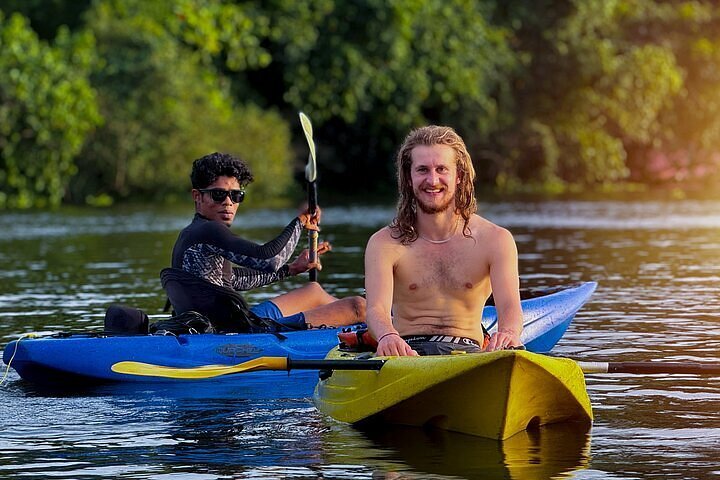
For travelers who prefer sitting rather than balancing, kayaking can be an excellent alternative.
A kayak allows you to explore coves, quiet sections of shoreline and areas that may look completely different from the water. You can paddle steadily for exercise or move slowly and simply enjoy the scenery.
Beginners should choose relatively calm water and understand basic paddling and turning techniques before venturing farther from shore. It’s also smart to check the forecast, especially if you’re unfamiliar with local weather patterns.
One of the nicest things about kayaking is the silence.
Once you’re away from shore, the usual background noise disappears. There’s just the movement of the paddle, the water and whatever happens to be around you. It can be surprisingly peaceful.
Explore on Foot
Not every adventure needs a boat.
Walking is one of the easiest ways to understand a destination because it forces you to move at a human pace. You notice small things that are easy to miss from a vehicle — unusual trees, birds, rocks, changing views and little paths leading somewhere interesting.
Before setting out, look into nearby hiking trails and choose one that matches your group’s ability. A short, easy route can be perfect for families or casual walkers, while experienced hikers may want something longer and more challenging.
Don’t judge a trail only by distance. Elevation, terrain and weather can make a relatively short route surprisingly demanding.
Take water, wear suitable shoes and allow more time than you think you’ll need. Getting back before dark is generally a much better plan than discovering halfway through that everyone underestimated the route.
Pack a Simple Outdoor Lunch
There’s something about eating outside that makes ordinary food taste better.
You don’t need an elaborate picnic basket. Sandwiches, fruit, snacks, cold drinks and something sweet can be enough. A lightweight blanket and reusable water bottles make things easier.
Try choosing a spot with some shade if possible. If you’re eating near the water, keep food secure and clean up afterward. Nobody wants to arrive at a beautiful natural area only to find litter left behind by previous visitors.
And yes, pack extra snacks if children are coming.
Somehow, a child can be “not hungry” one minute and desperately hungry five minutes later.
Know When to Take a Break
Outdoor activities are enjoyable until you push yourself too far.
It’s easy to get caught up in the excitement of a new place and keep going even when you’re tired. But rest is part of the experience. If you’re hiking, take breaks. If you’re paddling, come back to shore when conditions change. If the afternoon gets hot, find shade.
Pay attention to signs of dehydration or heat exhaustion, particularly during warmer months. Carry enough water and avoid assuming that a familiar activity is automatically safe in unfamiliar surroundings.
A relaxed trip should leave you tired in a good way, not completely exhausted.
Make Activities Work for the Whole Group
Different people have different ideas about fun.
One person may want to spend three hours on the water. Another may prefer reading beside the lake. Someone else might be eager to explore every trail in the area.
That’s okay.
You don’t have to do everything together. Splitting up for a few hours can actually make a group trip more enjoyable, provided everyone has a safe plan and knows where to meet later.
For families, alternating activities can help too. Perhaps one morning is dedicated to water activities and the afternoon is slower. The next day can be focused on walking and exploring.
Flexibility keeps everyone happier.
Respect the Place You’re Visiting
Outdoor recreation comes with a responsibility that shouldn’t be forgotten.
Stay on designated trails where required. Avoid disturbing wildlife, take your rubbish with you and respect private property. If you’re boating or paddling, follow local regulations and keep a safe distance from other water users.
Leave natural objects where you found them. A beautiful stone or unusual plant may seem like a harmless souvenir, but natural areas stay special because visitors don’t continually remove pieces of them.
The basic rule is simple: enjoy the place without making it worse for the person who comes after you.
Don’t Turn Every Moment Into a Photograph
Photos are great. Of course they are.
But sometimes you don’t need to document everything.
Put the phone away for a while. Watch the sunset without worrying about the perfect angle. Have a conversation without checking notifications. Sit quietly and listen to the water.
Those moments may never appear in your camera roll, but they can still become the memories you carry home.
Let the Day Unfold Naturally
The best outdoor trips usually have a little structure and plenty of room around it.
Choose activities you genuinely enjoy. Prepare for the weather. Bring the basics. Know your limits. Then leave some time completely unplanned.
Maybe you’ll discover a quiet shoreline. Maybe a short walk turns into a longer adventure. Maybe you’ll decide that doing nothing is exactly what you needed.
That’s the beauty of a lakeside escape. You can be active without being rushed, adventurous without being reckless, and relaxed without feeling like you’re wasting the day.
Sometimes, one good day outside is enough to remind you that life doesn’t always need to move so quickly.